


Have you ever wondered why some tourist properties run like clockwork?
Yes, those where guests arrive on time, enjoy a pleasant stay, leave five-star reviews and the owner sleeps soundly at night.
Many factors contribute, but good maintenance of a tourist property is undoubtedly crucial. On platforms such as Airbnb, Booking and Vrbo, it is one of the things guests value most.
It may therefore be the best investment you can make because:
- A well-maintained flat generates more revenue
- It depreciates less
- And gives you time and peace of mind
A simple maintenance system is easier to establish than it seems. This short guide shares what we have learned from maintaining more than 600 tourist properties:
- The different types of maintenance
- The tasks required at each stage
- And how to create a plan that works
Here it is…
Why maintenance is so important in holiday letting
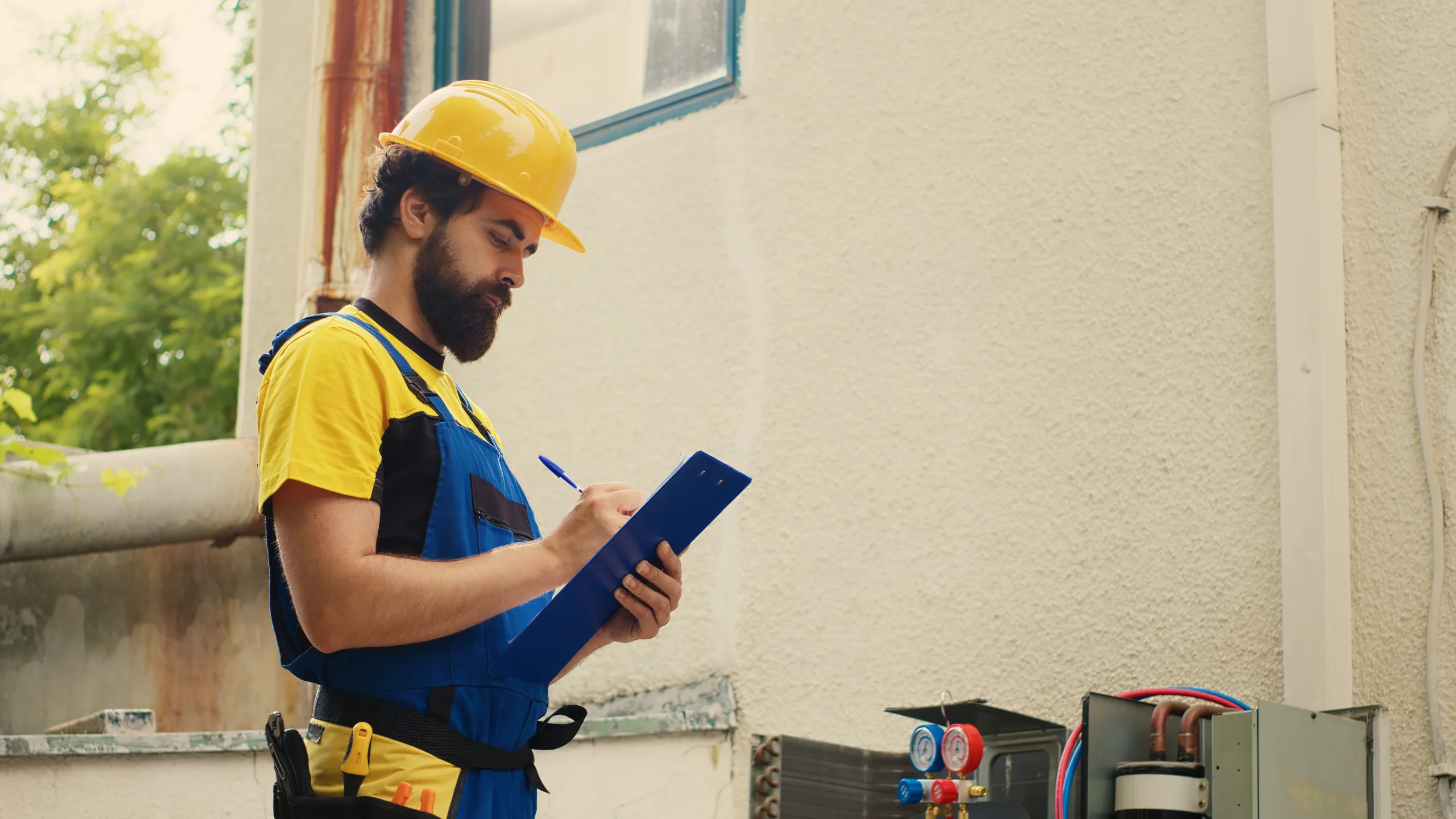
A tourist flat is not like a property let for several years.
Guests change every few days, wear accelerates and every new guest judges the flat against hotel standards. In practice, holiday letting is a small hospitality business.
The issue is so critical that a minor problem which could wait in a traditional rental may appear in a public review 48 hours later in a tourist property, directly affecting revenue.
Cleaning and maintenance commonly account for 20%–25% of a tourist flat’s operating costs for precisely this reason.
The four types of maintenance you need to know
Not all maintenance is the same. There are four models:
Preventive maintenance
This is work completed to a fixed schedule before something fails: cleaning air-conditioning filters, checking plumbing, testing detectors and checking appliances. It may not deliver visible results that day, but it saves money.
Put simply, preventive maintenance can mean the difference between replacing a €15 filter and a €400 compressor. Anything anticipated now avoids an emergency later.
Corrective or reactive maintenance
This means repairing things after they break—for example, fixing a boiler after a guest has lost hot water. Some corrective work is inevitable, but relying on it entirely is more expensive, happens at the worst time and often creates collateral damage, including poor reviews.
Think about it: would you want to stay in a hotel without hot water? The same applies here.
Predictive maintenance
This uses data to anticipate failures: sensors, fault history and apps warning of leaks or pressure drops. It is not yet common in Spanish tourist properties, but affordable water sensors and smart thermostats can detect problems before a guest calls.
Seasonal maintenance
These are the thorough checks carried out when seasons change:
- Test the air conditioning in May before the heat arrives and technicians become fully booked.
- Check heating in October so nobody is cold.
Be careful: the most common mistake is waiting until climate control is needed. That is when technicians are unavailable and a failure may cost you a booking.
Maintenance tasks by frequency

Follow this schedule for effective tourist flat maintenance.
Between stays:
- Visually inspect walls, floors and locks
- Test lights, taps, toilets and appliances
- Check Wi-Fi, television and doorbell
- Replenish linen and supplies
- Clean thoroughly and report damage immediately
Every week:
- Test smoke detectors
- Inspect exterior areas carefully
- Carry out minor repairs where necessary: bulbs, screws and hinges
- If there is a pool, check chlorine and filters
Every month:
- Clean air-conditioning and heating filters
- Look for leaks in taps, cisterns and pipes
- Inspect appliances and clean refrigerator seals
- Carry out pest control
Every quarter:
- Deep-clean the kitchen and bathrooms, including extractor hood, oven and grilles
- Inspect seals and closures on windows and doors
- Check electrical sockets and the distribution board
- Clean gutters
Once a year or each season:
- Comprehensively inspect roof, façade and paintwork
- Service climate-control equipment before the season
- Have the boiler and water heater checked by an authorised technician
- Paint and touch up
- Replace heavily worn furniture such as mattresses and sofas
Within these frequencies, three moments define the guest experience:
Before check-in
This is your final opportunity to detect a problem before the guest. Quickly inspect each room, focusing on:
- Locks and access: doors, windows and locks should open and close smoothly
- Basic functions: test lights, taps, toilet, refrigerator, microwave, Wi-Fi and television
- Supplies and defects: check towels and paper and repair details such as a blown bulb or dripping tap before arrival
Cleaning and maintenance overlap here. The cleaning team is your first problem detector, so effective changeover cleaning completes much of the preventive maintenance.
During the stay
It is impossible to anticipate everything. Even with meticulous maintenance, a problem may arise, so establish an incident protocol.
It need not be elaborate: provide a genuine, monitored contact number and a list of suppliers who can attend that day.
Response speed affects a review more than the incident itself. A guest may forgive a fault fixed in two hours, but not one left for two days.
After check-out
Check-out is the moment of truth. Carry out a detailed inspection, create an incident report and repair detected issues immediately before they affect the next arrival.
Remember: what you do not repair today becomes a poor review and lower income tomorrow.
How to create a maintenance plan for properties in a tourist complex

Organise the maintenance plan as follows:
Calendar: distribute the tasks above by day, week, month and year, assigning an owner to ensure deadlines are met.
Reliable suppliers: with several properties there is no room for improvisation. Maintain responsive plumbing, electrical, locksmith and climate-control contacts.
Incident log: record the date, cost and solution for each fault so that performance can be monitored.
Reserved budget: set aside 20%–25% of operating costs for unexpected incidents requiring a rapid response.
Good practice when managing several properties
For fully professional management, we recommend:
Systematise everything with digital checklists. Management software or a maintenance app provides traceability and prevents missed inspections. This is how we work at Home2Book.
Use regular suppliers. People familiar with your properties work faster and make fewer mistakes, while costs and solutions become more predictable.
Document everything. Each repair is data that helps anticipate the next one. If a coffee machine needs replacing every 30 visits, keep a spare ready.
Train your cleaning team. If they recognise damp patches or an overheating socket, preventive maintenance improves at no extra cost. Even when minor issues cannot be addressed immediately, reporting them allows later prioritisation.
Delegate technical work. If you lack expertise, do not take risks with gas, electricity or plumbing; use certified professionals. Cutting costs here is reckless.
These points distinguish professional tourist property management from individual ownership: a system that continues to work without your constant attention.
What happens if maintenance is neglected?
Neglect has four specific consequences:
1) Poor reviews and fewer bookings: a drip, broken appliance or inadequate cleaning becomes a public criticism read by your next guest. Online reputation has a major impact on future bookings.
2) Cancellations and emergency repairs: air conditioning failing in August may cause a cancellation, a poor review and an urgent repair costing three times more than planned maintenance.
3) Penalties: tourist properties must maintain installations in good condition and guarantee minimum safety and hygiene. Expired detectors or defective wiring may result in a fine or licence suspension.
4) Property deterioration: a small unattended leak can become persistent damp and structural damage. Prevention and regular inspections avoid this; poorly maintained property loses value over time.
Do you need help maintaining your holiday rental?
Home2Book professionally manages tourist properties and currently maintains more than 600 homes using trusted suppliers and an individual preventive calendar. Contact us and we will be delighted to explain how we can help with yours.